
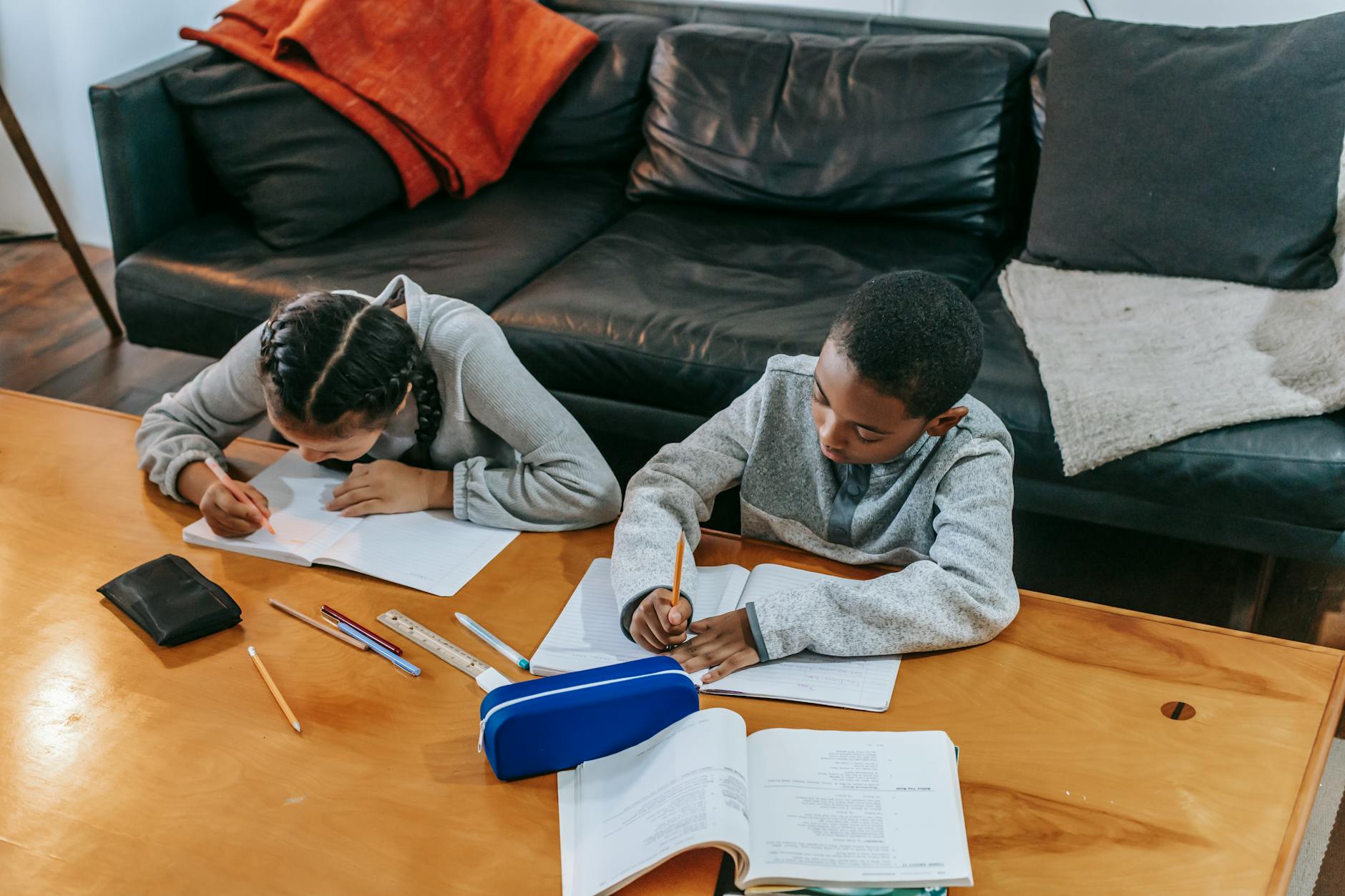

How to Inspire Creativity in Australian Classrooms Through Innovative Teaching
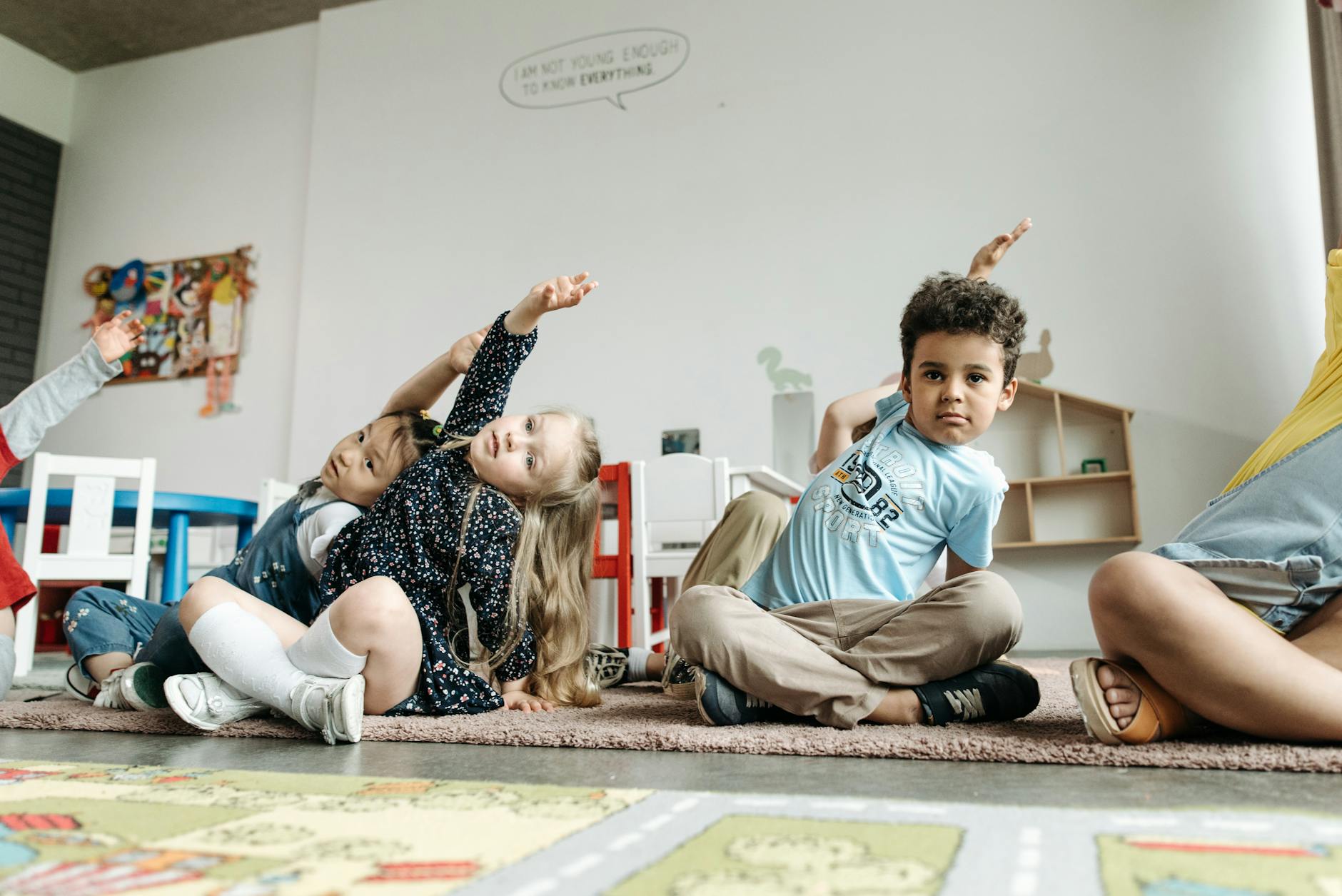
Creating a Dynamic Learning Environment
In Melbourne, educators are continually transforming learning spaces to keep up with the dynamic needs of children. A key aspect I focus on is the significance of a flexible classroom layout. This involves arranging spaces where students can navigate easily, fostering movement and interaction that supports both the introverted and extroverted students. By simply shifting desks and chairs, it's possible to cultivate a more engaging environment that mirrors the immersive experiences offered at the Melbourne Museum's Children's Gallery.
Interactive technology also plays a crucial role in enhancing learning. Tools like smartboards and tablets can bring subjects to life, providing students with hands-on experiences similar to those they might encounter at Scienceworks. This tech-enhanced approach supports a wide range of learning styles and maintains students' attention with vivid and interactive content.
Finally, encouraging collaboration and cooperation among students is essential. Group projects and team-based activities build essential life skills such as communication and problem-solving. Students might, for example, work together on projects akin to creative workshop activities at Heide Museum of Modern Art, where each child can contribute uniquely to a collective task. These efforts not only make learning more enjoyable but also prepare children for future educational pursuits, possibly even in fields like a diploma in early childhood education or cert 3 in individual support fostering a lifelong passion for growth and service from an early age.
Implementing Innovative Teaching Methods
Project-Based Learning
In the heart of Melbourne, just like the engaging exhibits at Scienceworks, project-based learning transforms classrooms into interactive exploratories. It allows students to tackle real-world problems, fostering critical thinking and multidisciplinary skills. For instance, a project focused on local environmental issues not only integrates science and geography but also enhances teamwork and communication. Teachers can link their lessons to real-life scenarios, making education as impactful as a visit to one of our cherished local landmarks.
Inquiry-Based Instruction
Channeling the curiosity sparked at the Melbourne Museum's Children's Gallery, inquiry-based instruction encourages students to ask questions and seek answers actively. This learner-centred approach motivates educators to shift from traditional lectures to facilitating students' investigative journeys. By guiding them to draw conclusions from their experiments or research, teachers can nurture curiosity and independent learning. It’s an approach that mirrors the excitement of uncovering a hidden artefact in a history exhibit.
Flipped Classroom Techniques
The flipped classroom concept redefines homework and classwork, significantly enhancing engagement and understanding. Inspired by the engaging methods used at interactive workshops like those at the Heide Museum, students preview upcoming lessons through online content at home. This method allows class time to be used for more interactive and practical activities. Online resources such as aged care online courses and childcare courses online can support these flipped techniques by providing additional learning materials to enhance student engagement.
Cultivating Creativity in Students
Opportunities for Creative Expression
Embracing creativity in students means offering more than traditional assignments. A rich tapestry of community services courses can be woven into the curriculum to broaden perspectives. Take a page from the inspiring educational workshops at Heide Museum of Modern Art; there, students have the freedom to experiment with different mediums and express themselves artistically. By incorporating projects that allow exploration and experimentation, students can truly understand their creative potential.
Providing students with multiple creative outlets demands an adaptable classroom environment. For instance, transforming a corner into an art studio or setting stations for digital storytelling can stimulate new ways of thinking. Through these methods, students cultivate a deeper understanding of art and expression beyond conventional classroom boundaries.
Encouraging Divergent Thinking
Divergent thinking flourishes when students are encouraged to seek various solutions to a single problem. Incorporating elements from aged care courses to craft relatable real-world scenarios can expand thought processes. When students brainstorm diverse approaches to challenges, they develop critical thinking skills and an appreciation for multiple viewpoints.
Activities that promote divergent thinking might include open-ended questions and group brainstorming sessions. These activities help students see beyond the apparent, nurturing an innovative mindset while fostering collaborative skills—a critical facet in today's interconnected world, much like the interactive exhibits at Scienceworks.
Building a Growth Mindset
Nurturing a growth mindset in students is fundamental for enduring creativity. It empowers students to perceive challenges as opportunities for learning. Integrating movement between various learning stations, similar to the versatile layouts at the Melbourne Museum's Children's Gallery, can promote resilience and adaptability in young learners.
Through regular reflection exercises, students can learn to value progress over perfection and appreciate effort as a vital component of success. Encouraging this mindset within the classroom prepares students for future endeavors both in education and in life.
Supporting Teachers' Creative Development
Professional Development Programs
In my experience, empowering teachers is crucial to fostering a vibrant learning environment. One effective way is through comprehensive professional development programs. These initiatives not only refine teaching skills but also introduce educators to new methodologies that can transform their approach in the classroom. Training programs such as aged care training can inspire educators by showcasing innovative strategies and technologies applicable in various educational settings.
Mentorship and Peer Collaboration
Fostering a culture of mentorship and peer collaboration within educational institutions can lead to substantial growth and creativity among teachers. Engaging in regular discussions and sharing experiences with peers can unlock new ideas for teaching methods. This collaborative approach aligns with the ecosystem of educational exploration, similar to what one might discover in the interactive exhibits at Scienceworks.
Providing Freedom in Curriculum Design
Allowing teachers the freedom to adapt curriculum plans can be a game-changer in education. This flexibility encourages educators to incorporate diverse activities and tailor lessons to their students' needs, much like integrating fresh and enlivening concepts found in cert 3 childcare courses. By granting this liberty, schools can cultivate an environment that values adaptability and innovation.
In summation, enhancing teachers' creative development through tailored programs and collaborative environments can significantly impact the quality of education. As educators gain confidence in integrating new methodologies, they, in turn, inspire students to engage more deeply with their learning experiences.
Challenges and Solutions
Overcoming Time Constraints
In our pursuit of enriching early childhood education here in Melbourne, it is crucial we address one of our biggest challenges: lack of time. Teachers often feel the weight of schedules bearing down on them, stifling creativity and innovation. An effective strategy to tackle this is the time management strategies that will work for you tailored to optimise lesson planning and classroom execution. By prioritising tasks and using resources such as the Melbourne Museum’s Children's Gallery for engaging field trips, we can provide a vibrant educational experience that students will cherish.
Addressing Assessment Pressures
Assessment pressures are another significant concern. As educators, we strive to evaluate our students' progress without hampering their enthusiasm for learning. One innovative approach is incorporating formative assessments that are integrated seamlessly into daily activities. This method promotes consistent feedback and the ability to adapt teaching strategies to meet each student's unique needs. The interactive exhibits at Scienceworks serve as remarkable exemplars of hands-on learning combined with evaluation that doesn’t feel intrusive, nurturing a passion for discovery.
Navigating Technological Hurdles
Technology, when utilised effectively, can transform the classroom environment. Yet, many educators find themselves grappling with integrating tech tools amidst limited training and resources. Engaging in continuous professional development and sharing insights with peers can pave the way for greater efficacy. Moreover, organisations like Heide Museum of Modern Art offer fantastic workshops that explore the intersection of art and technology. By immersing ourselves in such offerings, we can better utilise these tools to inspire creativity in our students.